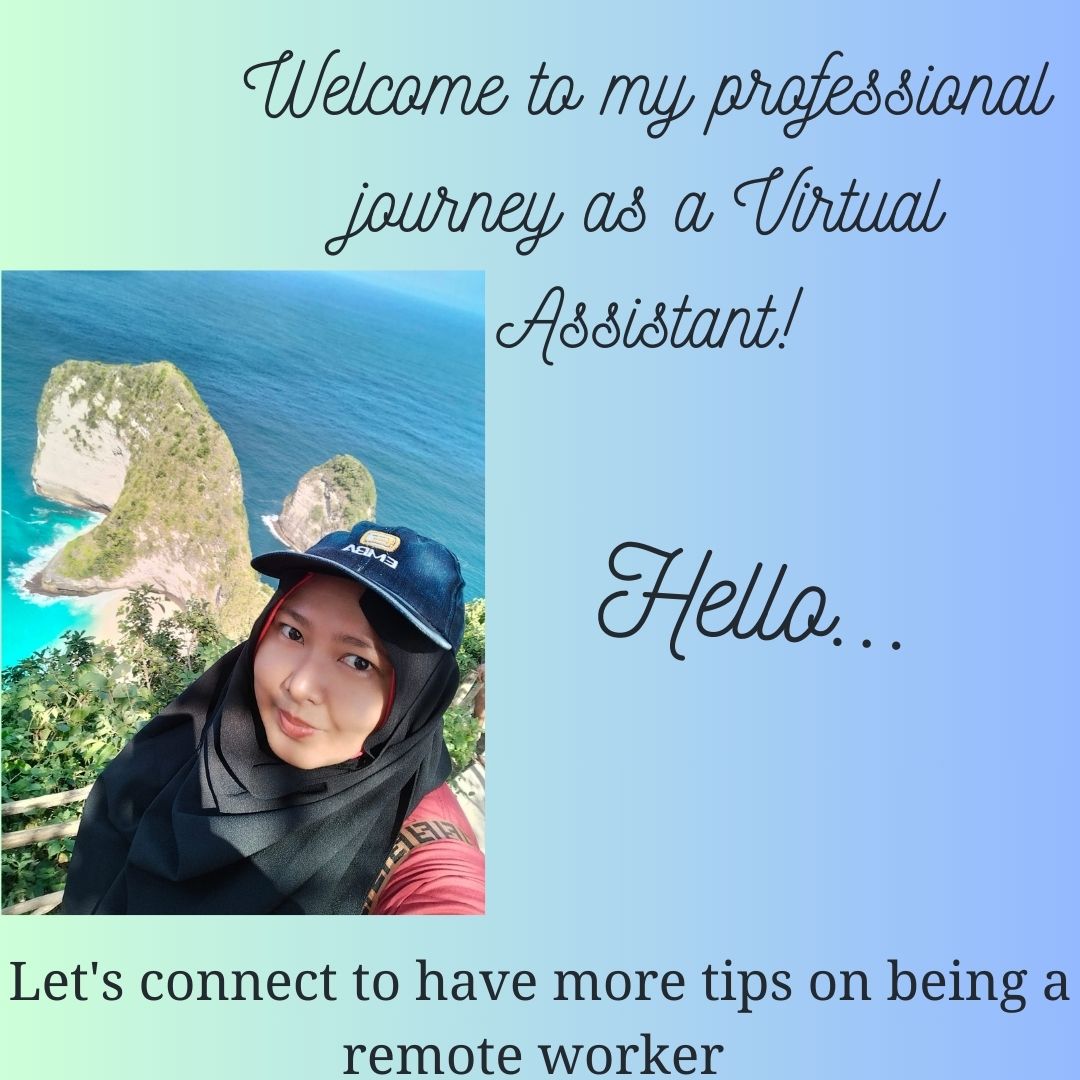
Embarking on My Journey as a Virtual Assistant: Helping Travel and Hotel Owners Thrive
August 2, 2024
How Travel Research Can Impact Your Business
August 19, 2024Top Copywriting Tips for Travel and Hotel Owners: Captivate Your Audience and Boost Your Bookings

Hello, Travel Enthusiasts and Hotel Owners!
As a virtual assistant specializing in travel research, copywriting, and lead generation, I understand the power of words in driving your business forward. Great copywriting can be the difference between a potential guest choosing your hotel over another or booking that dream vacation through your agency. Today, I want to share some top copywriting tips that will help you captivate your audience and boost your bookings.

1. Know Your Audience
Understanding your target market is the first step to creating compelling copy. Are you catering to families, solo travelers, business professionals, or luxury seekers? Each group has different needs and preferences. Tailor your message to resonate with your specific audience.
- Identify Your Target Market: Who are your ideal customers? Consider their demographics, interests, and travel behaviors.
- Tailor Your Message: Use language, tone, and style that appeals to your audience. For instance, a family-friendly hotel might use a warm and welcoming tone, while a luxury resort may opt for sophisticated and elegant language.
2. Create Captivating Headlines
Your headline is the first thing potential guests will see. Make it count!
- The Power of a Good Headline: A strong headline grabs attention and entices readers to learn more.
- Headline Tips: Use action words, address the reader directly, and incorporate keywords to make your headline effective. For example, “Discover the Ultimate Family Getaway” or “Indulge in Luxury at Our Seaside Resort.”
3. Tell a Story
People connect with stories. Use storytelling to create an emotional bond with your readers.
- Engage Through Storytelling: Share the unique story of your hotel or travel service. Highlight the experiences and memories guests can create.
- Customer Stories: Include real-life customer stories or testimonials to illustrate the impact of your services.
4. Highlight Unique Selling Points (USPs)
What makes your hotel or travel service stand out? Identify and showcase your USPs.
- Identify USPs: Determine what sets you apart from the competition. This could be your location, amenities, personalized services, or unique experiences.
- Showcase USPs: Weave these points into your copy to emphasize why guests should choose you. For example, “Nestled in the heart of the city, our hotel offers unparalleled access to cultural landmarks and vibrant nightlife.”
5. Use Descriptive Language
Paint a vivid picture with your words to help readers visualize their experience.
- Paint a Picture: Use sensory language to describe the sights, sounds, and feelings guests will encounter.
- Examples of Descriptive Copy: “Wake up to the sound of waves gently crashing on the shore and enjoy a sunrise breakfast on your private balcony overlooking the ocean.”
6. Focus on Benefits, Not Features
While features are important, benefits are what truly sell your services.
- Benefits Over Features: Explain how your features benefit the guest. Instead of saying, “We have a spa,” say, “Rejuvenate your mind and body with our luxurious spa treatments designed to relax and revitalize you.”
- Transform Features into Benefits: Highlight how your features enhance the guest experience.
7. Incorporate Social Proof
Social proof builds credibility and trust with potential guests.
- Leverage Testimonials: Include customer testimonials and reviews to showcase positive experiences.
- Case Studies and Success Stories: Share detailed case studies or success stories to highlight your successes and reliability.
8. Use Compelling Calls to Action (CTAs)
Guide your readers towards taking the next step with strong CTAs.
- Craft Effective CTAs: Make your CTAs clear, direct, and persuasive. Use action-oriented language.
- Examples of Strong CTAs: “Book Now,” “Explore Our Packages,” or “Contact Us for More Information.”
9. Optimize for SEO
SEO is crucial for attracting organic traffic to your website.
- Importance of SEO: Ensure your content is optimized for search engines to improve visibility and attract more visitors.
- SEO Best Practices: Use relevant keywords, optimize meta descriptions, and ensure your content is easy to read and engaging.
10. Keep It Clear and Concise
Avoid overwhelming your readers with jargon or overly complex language.
- Avoid Jargon: Use simple, straightforward language that anyone can understand.
- Edit and Proofread: Ensure your copy is clear and error-free. Edit and proofread your work to maintain a professional standard.
Contact me today to discuss how we can work together to grow your business. Let’s make your travel and hotel business thrive!
If you found these tips helpful, don’t forget to subscribe tomy blog for more insights and tips, and follow me on Instagram @nanda_vassistant to stay updated. Let’s embark on this journey together and watch your business flourish!


